

Services Hero
Leadership

Leadership
Our People. Our Strength

Meet the dedicated professionals leading PMA's mission of promoting dialogue, understanding and peaceful resolution across Pakistan.

Showing 1–12 of 12 Members
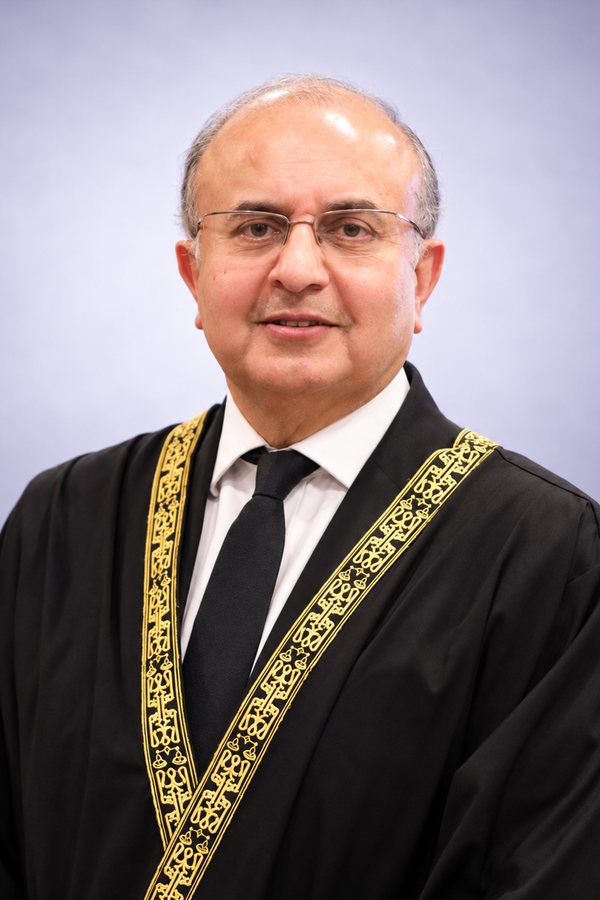
Justice (R) Syed Mansoor Ali Shah

Justice (R) Syed Mansoor Ali Shah

Patron-in-Chief
Jurist Constitutional Scholar International Arbitrator & Mediator
View Profile
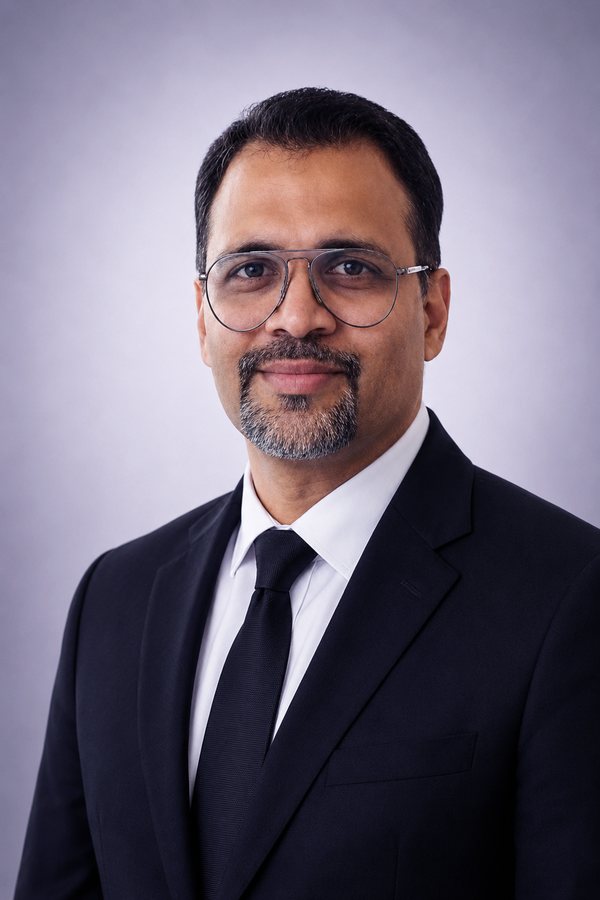
Aga Zafar Ahmed

Aga Zafar Ahmed

President
Executive Team Mediator CEDR Accredited Mediator
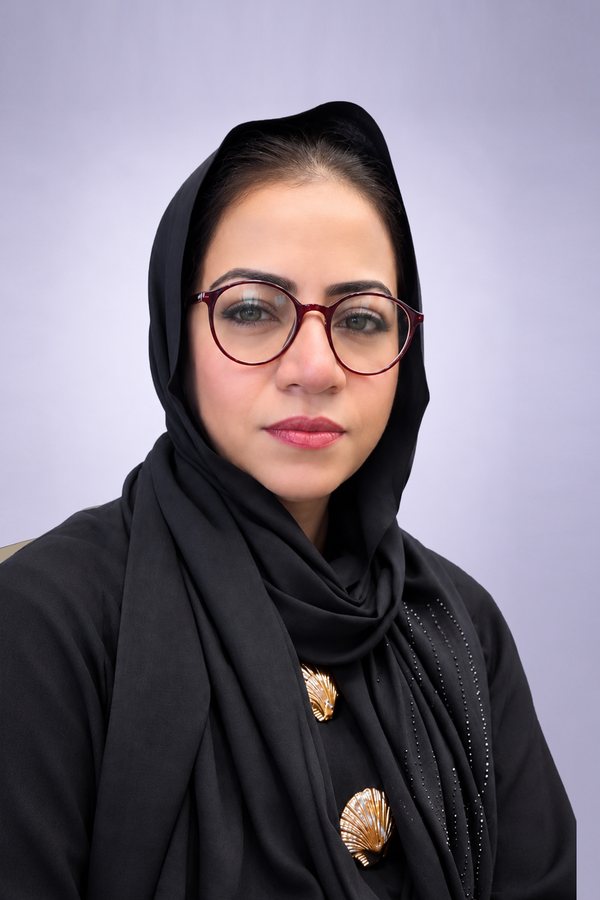
Wajiha Aleem

Wajiha Aleem

Secretary General
Executive Team Mediator CEDR Accredited Mediator
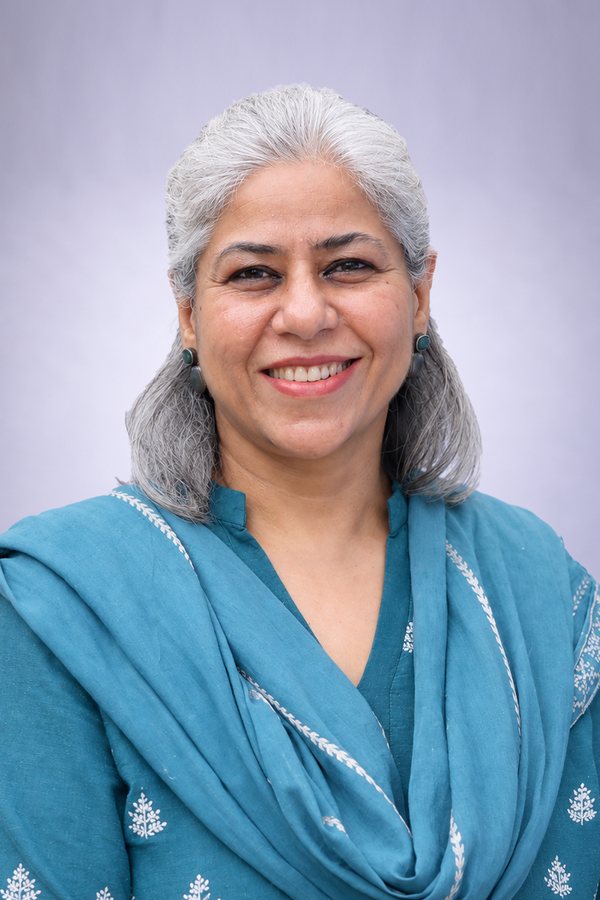
Saima Amin Khawaja

Saima Amin Khawaja

Vice President – North
Executive Team Mediator CEDR Accredited Mediator

Asfand Yar Ali Khan

Asfand Yar Ali Khan

Vice President – North
Executive Team Mediator CEDR Accredited Mediator
Saeed Habib

Saeed Habib

Vice President – South
Executive Team
Shabana Ali

Shabana Ali

Vice President – South
Executive Team Mediator PMA Accredited Mediator
Syed Sammad-ul-Haque

Syed Sammad-ul-Haque

Finance Secretary
Executive Team
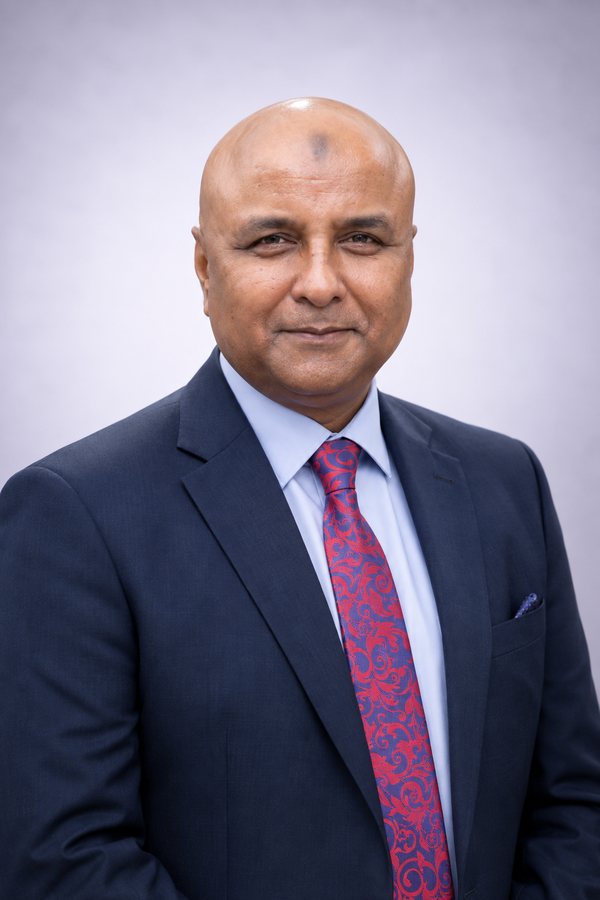
Tariq Saeed Rana

Tariq Saeed Rana

Executive Committee – North
Executive Team Mediator CEDR Accredited Mediator
Huma Shah

Huma Shah

Executive Committee – North
Executive Team Mediator CEDR Accredited Mediator
Umaimah Anwar Khan

Umaimah Anwar Khan

Executive Committee – South
Executive Team
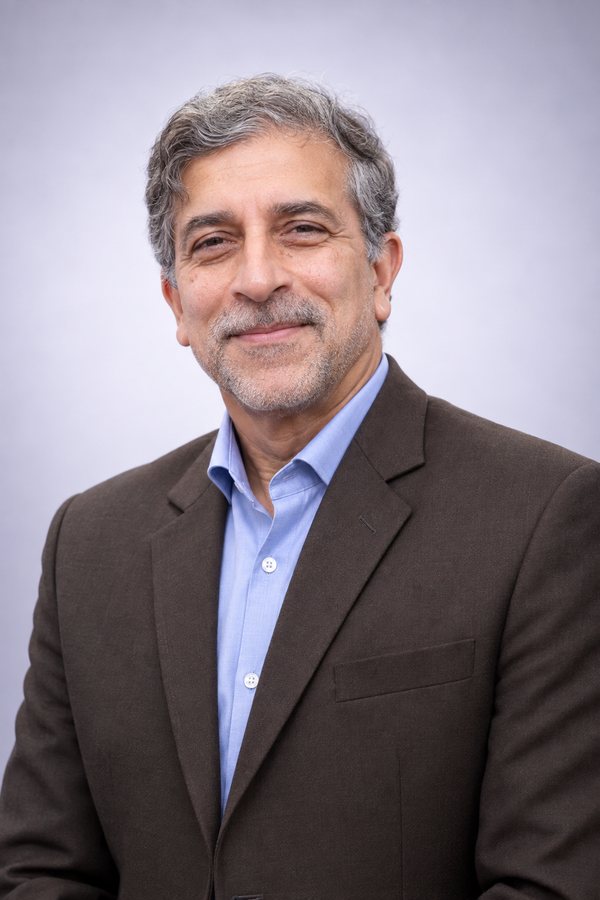
Mustansir Zakir

Mustansir Zakir

Executive Committee – South
Executive Team Mediator CEDR Accredited Mediator
Adnan Mufti

Adnan Mufti

Executive Committee – South
Executive Team Mediator CEDR Accredited Mediator
Mustansir Zakir

Mustansir Zakir

Master Trainer
Master Trainer Director Training Ex-President
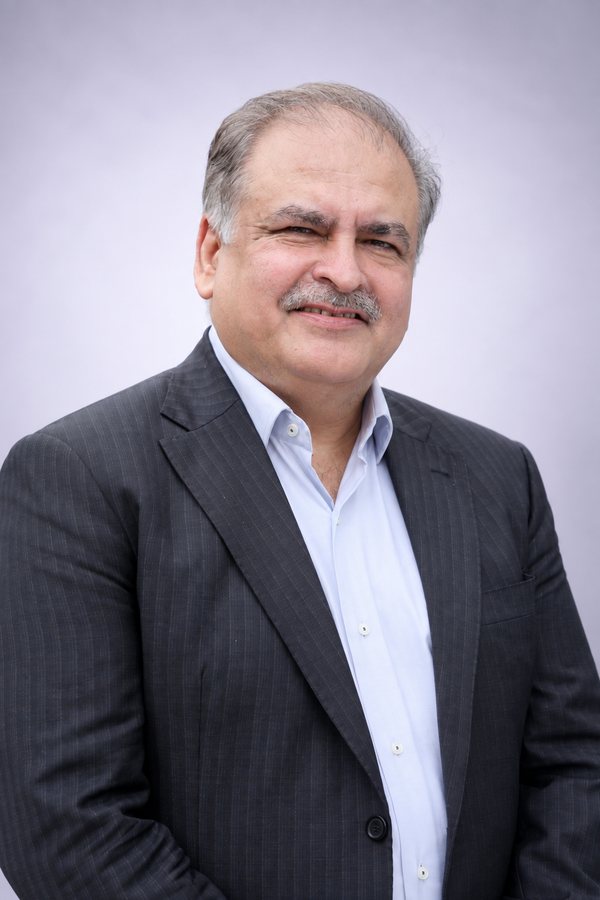
Anwar Kashif Mumtaz

Anwar Kashif Mumtaz

Master Trainer
Master Trainer Ex-President Leadership Trainer
Tariq Saeed Rana

Tariq Saeed Rana

Master Trainer
Master Trainer Ex-President Executive Committee – North
Saima Amin Khawaja

Saima Amin Khawaja

Master Trainer
Master Trainer Executive Member Vice President – North
Huma Shah

Huma Shah

Master Trainer
Master Trainer Executive Committee – North Training Committee
Usman G. Rashid

Usman G. Rashid

Master Trainer
Master Trainer Barrister-at-Law Former Secretary General – PMA
Tariq Saeed Rana

Tariq Saeed Rana

Former President 2022 – 2025
Mustansir Zakir

Mustansir Zakir

Former President 2018 – 2022
Anwar Kashif Mumtaz

Anwar Kashif Mumtaz

Former President 2014 – 2018
Asfand Yar Ali Khan

Asfand Yar Ali Khan

Master Trainer
Master Trainer Executive Leadership Vice President – North
Adnan Mufti

Adnan Mufti

Member
Anwar Kashif Mumtaz

Anwar Kashif Mumtaz

Member
Ayesha Sarfraz Ali Khan

Ayesha Sarfraz Ali Khan

Member
Barrister Tariq Saeed

Barrister Tariq Saeed

Member
Farrukh Junaidy

Farrukh Junaidy

Member
Huma Shah

Huma Shah

Member
Ishtiaq Memon

Ishtiaq Memon

Member
Isfandyar Ali Khan

Isfandyar Ali Khan

Member
Khalid Firoz Arfeen

Khalid Firoz Arfeen

Member
Khalid Mahmood Siddiqui

Khalid Mahmood Siddiqui

Member
Mohammad Rehan Siddqui

Mohammad Rehan Siddiqui

Member
Mustansir Zakir

Mustansir Zakir

Member
Nausheen Ahmed

Nausheen Ahmed

Member
Neelofar Hameed

Neelofar Hameed

Member
Omair Nisar Khan

Omair Nisar Khan

Member
Raheem Hasnani

Raheem Hasnani

Member
Reshma Aftab

Reshma Aftab

Member
Rubina Virani

Rubina Virani

Member
Saadat Yar Khan

Saadat Yar Khan

Member
Saeed Habib

Saeed Habib

Member
Saima Amin Khawaja

Saima Amin Khawaja

Member
Salina Khalfan

Salina Khalfan

Member
Shabana Ali

Shabana Ali

Member
Shaheen Premani

Shaheen Premani

Member
Syed Haider Imam Rizvi

Syed Haider Imam Rizvi

Member
Syed Sammadul Haque

Syed Sammadul Haque

Member
Tahmasp R. Razvi

Tahmasp R. Razvi

Member
Umaimah A. Rizvi

Umaimah A. Rizvi

Member
Usman G. Rashid

Usman G. Rashid

Member
Wajiha Aleem

Wajiha Aleem

Member
Yousuf Moulvi

Yousuf Moulvi

Member
Zafar Kalanauri

Zafar Kalanauri

Member
Zia Makhdoom

Zia Makhdoom

Member
Scroll to top

Patron-in-Chief's Profile

Jurist · Constitutional Scholar · International Arbitrator & Mediator

Justice (Retired) Syed Mansoor Ali Shah is one of Pakistan’s most distinguished jurists — a constitutional thinker, reformer, and international arbitrator whose career has spanned the highest reaches of the country’s judiciary and an increasingly global academic life. He served as Senior Puisne Judge of the Supreme Court of Pakistan and as Chief Justice of the Lahore High Court, and is today the Distinguished Chair in Constitutionalism and Justice and Professor of Practice at the Shaikh Ahmad Hassan School of Law (SAHSOL) at LUMS. In 2026 he joins Yale Law School as the Oscar M. Ruebhausen Distinguished Visiting Fellow, and in 2027 he will serve as the Bok Visiting International Professor at the University of Pennsylvania’s Carey Law School. An international arbitrator and mediator accredited by CEDR in London, he is also an Honorary Bencher of Lincoln’s Inn. Across more than sixteen years on the bench, he has been widely recognised as a leading voice in constitutional law, judicial independence, international arbitration, human rights, gender equality, environmental and climate justice, child justice, commercial law, and judicial innovation, pioneering reforms aimed at strengthening judicial independence, efficiency, accessibility, transparency, and institutional integrity.

His formative education began at Aitchison College in Lahore, after which he read law and economics at the University of the Punjab, earning an LL.B. and an M.A. in Economics, before proceeding to the University of Cambridge, where he took an LL.B. and an M.A. in Law. Before his elevation to the judiciary in 2009, he was a founding partner of Afridi, Shah & Minallah, where he built a flourishing practice in corporate, constitutional, and commercial litigation. On joining the bench he voluntarily relinquished private practice, marking the commencement of full-time public service.

It was on the bench that Justice Shah’s distinctive jurisprudence took shape. A reformist jurist and global speaker, he became a key architect of Pakistan’s modern frameworks on arbitration, mediation, and alternate dispute resolution (ADR), and a driving force behind the digital transformation of the judiciary. His judgments reflect a pronounced pro-arbitration and pro-mediation orientation: on the Supreme Court he authored landmark decisions that established a pro-arbitration jurisprudence and strengthened the enforcement of foreign arbitral awards, consistently favouring an arbitration-friendly interpretation that limits undue judicial interference. His approach to rights was equally deliberate — gender-sensitive and grounded in dignity and equality — and through it he strengthened constitutional protections for minorities, persons with disabilities, children, and other marginalised communities. He advanced climate justice, child justice, digital rights, and electoral justice as integral constitutional commitments, and his electoral jurisprudence affirmed political participation and the sanctity of the vote as foundational constitutional entitlements, safeguarding citizens’ right to fair political participation. He consistently advocated the integration of scientific knowledge into judicial reasoning, particularly in environmental and criminal law, and, as a pioneer of judicial innovation, authored Pakistan’s first Supreme Court judgment on Artificial Intelligence, emphasising the ethical and responsible use of emerging technologies to enhance efficiency, transparency, and access to justice while safeguarding constitutional values.

Many of these commitments were first institutionalised during his years at the Lahore High Court, where he served as a Judge from 2009 to 2016 and as Chief Justice from 2016 to 2018. There he founded Pakistan’s first court-annexed mediation centres, institutionalising ADR across Punjab, and introduced Model Civil and Criminal Courts together with modern case-management systems. In collaboration with the Punjab Information Technology Board (PITB) he developed the judiciary’s first Enterprise IT System; he reformed judicial education by restructuring the Punjab Judicial Academy; he established the Lahore High Court Research Centre (LHCRC); and he laid the foundation for data-driven performance evaluation, human-resource reforms, and gender-inclusive court environments.

His contribution to arbitration and dispute resolution extends well beyond the courtroom. As Chair of the National Arbitration Law Committee from 2023 to 2024, he led the drafting of Pakistan’s modern Arbitration Bill, aligned with the UNCITRAL Model Law. He institutionalised mediation within the judiciary through court-annexed mediation centres, introduced ADR modules into judicial training and capacity-building programmes, and — as an accredited CEDR mediator — has remained an active participant in international ADR dialogue.

In November 2025, Justice Shah resigned from the Supreme Court of Pakistan in fidelity to the Constitution and in defence of judicial independence. He observed that to continue serving in a court deprived of its constitutional jurisdiction would amount to acquiescence in a constitutional wrong, and that stepping aside was the only honest way of honouring his judicial oath. Although next in line to assume office as the forty-fifth Chief Justice of Pakistan, he had been excluded through the controversial Twenty-Sixth Constitutional Amendment, the constitutionality of which remains under judicial challenge.

Justice Shah’s influence is increasingly international. Beyond his appointments at LUMS, Yale, and Penn, he serves as a Judicial Member of the Global Judicial Institute on the Environment in Brazil, a member of Yale University’s Global Constitutionalism Program, and was a member of Pakistan’s Rhodes Scholarship Committee from 2019 to 2024; he is also associated with SIFFoC in the United Kingdom on specialised commercial courts. A widely travelled speaker on constitutionalism, arbitration, climate justice, and judicial reform, he has lectured at Harvard, Yale, New York University (in both New York and Abu Dhabi), the University of Chicago, Humboldt University in Germany, and IE University in Spain, and he represented Pakistan at COP-28 in Dubai and COP-29 in Baku, where he highlighted the country’s progressive climate-justice jurisprudence. In 2016, Pope Francis invited him to the Pontifical Academy of Sciences in Vatican City for a high-level dialogue on climate change and moral responsibility.

As an author and thought leader, Justice Shah has produced numerous landmark judgments, reports, and scholarly writings on constitutional law, climate justice, alternate dispute resolution, judicial independence, electoral rights, and court modernisation. Among his reports is The Rude Awakening (2010), the Report of the Judicial Flood Inquiry Tribunal examining the causes of the major breaches in the River Indus during the exceptional floods of that year. His areas of expertise span international arbitration and mediation; constitutional and administrative law; human rights, gender equality, and minority and disability rights; environmental and climate justice; child justice and electoral law; artificial intelligence and judicial technology; and judicial reform and governance.

Away from the bench and the lectern, Justice Shah is an avid golfer who also enjoys tennis, padel, and cycling, as well as reading, writing, travel, and music.

Taken together, his career unites more than sixteen years of judicial authority at the highest levels of Pakistan’s judiciary with a global arbitration vision backed by legislative-reform leadership, accredited mediation expertise and the institutional development of ADR, and a climate-resilient, gender-sensitive, child-centred, and minority-inclusive jurisprudence. To these he adds the pioneering use of artificial intelligence in judicial reasoning, an extensive record of global academic and policy engagement, and — above all — a principled commitment to constitutionalism, demonstrated most powerfully by his resignation in defence of judicial independence.

Contact & Resources